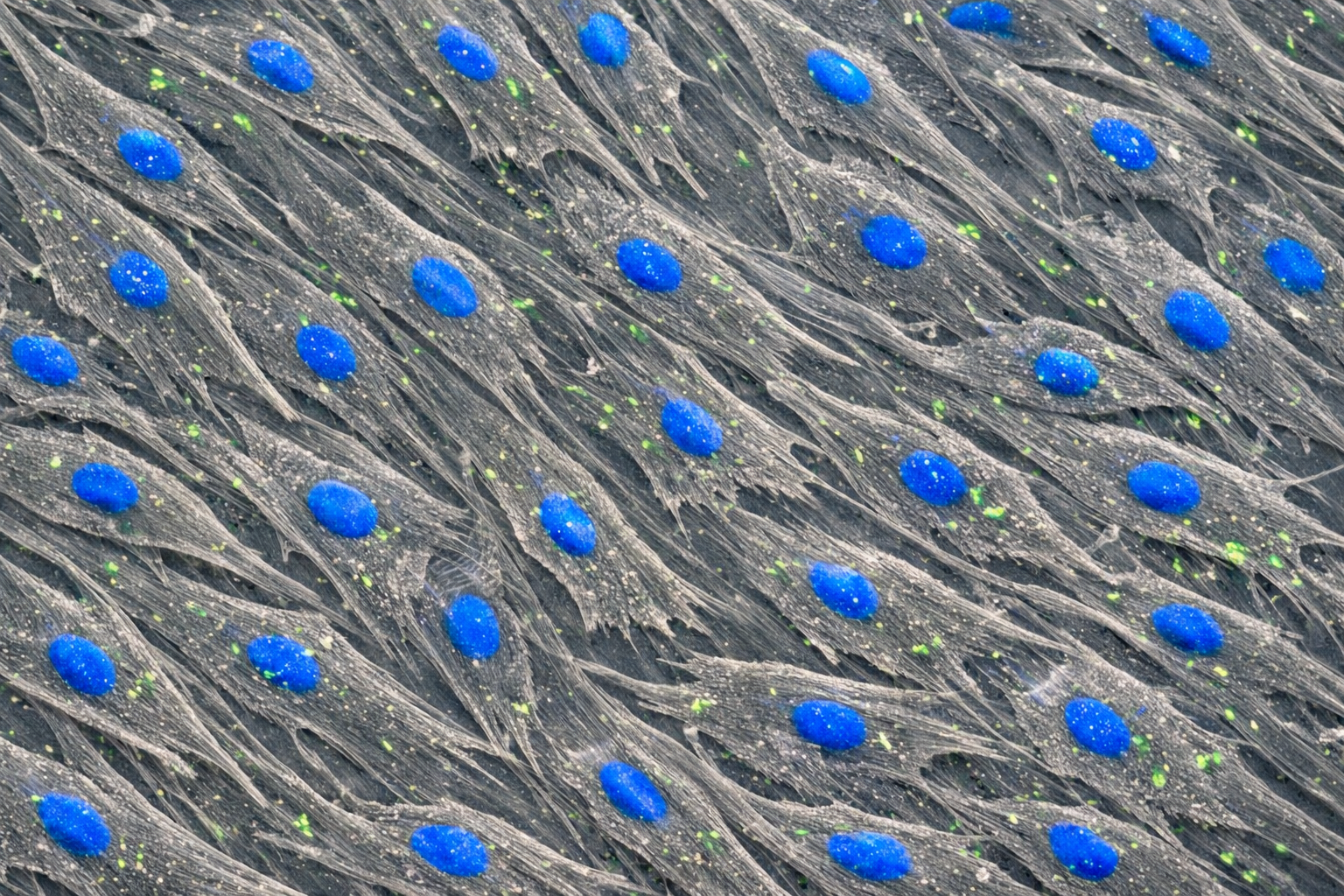
Human Primary Diabetic Aortic Smooth Muscle Cells
BVXDS001
Certified
QualityGlobal
ShippingSupport
24/7Info
IncludedProduct Details
Size
1ml
Product Code
BVXDS001
Quick Specifications
- Product Type: Human Type II Diabetes Endothelial Cells
- Viability: >95% viable (Trypan Blue exclusion)
- Storage: Store in liquid nitrogen vapor phase (-196°C) for long-term. Ship on dry ice (-80°C).
- Shelf Life: Very stable in the Liquid Nitrogen Vapor Phase
- Catalog: BVXDS001
- Growth: Primary cells capable of multiple passages when using recommended medium and proper handling
Human Primary Diabetic Aortic Smooth Muscle Cells
Product Description
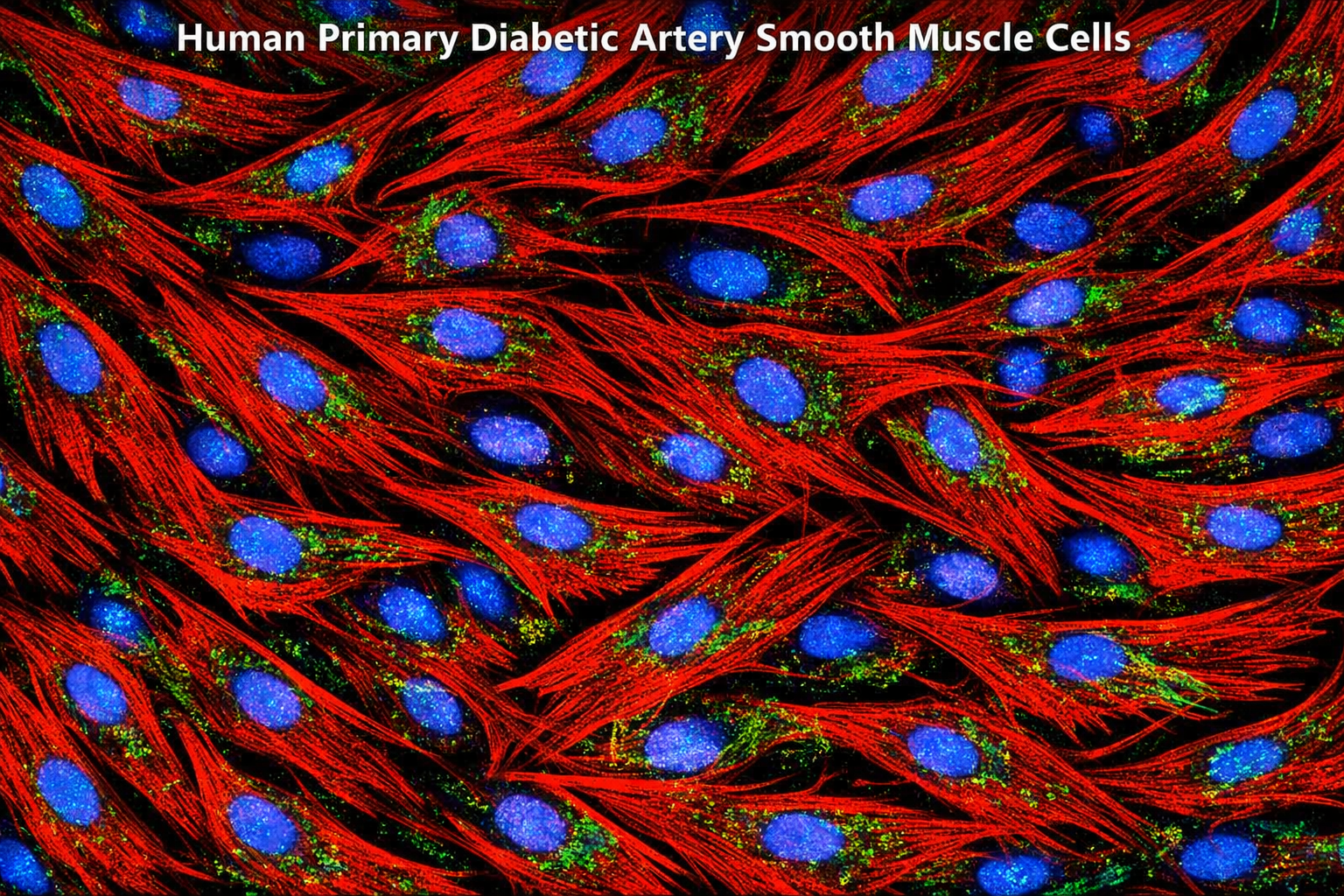
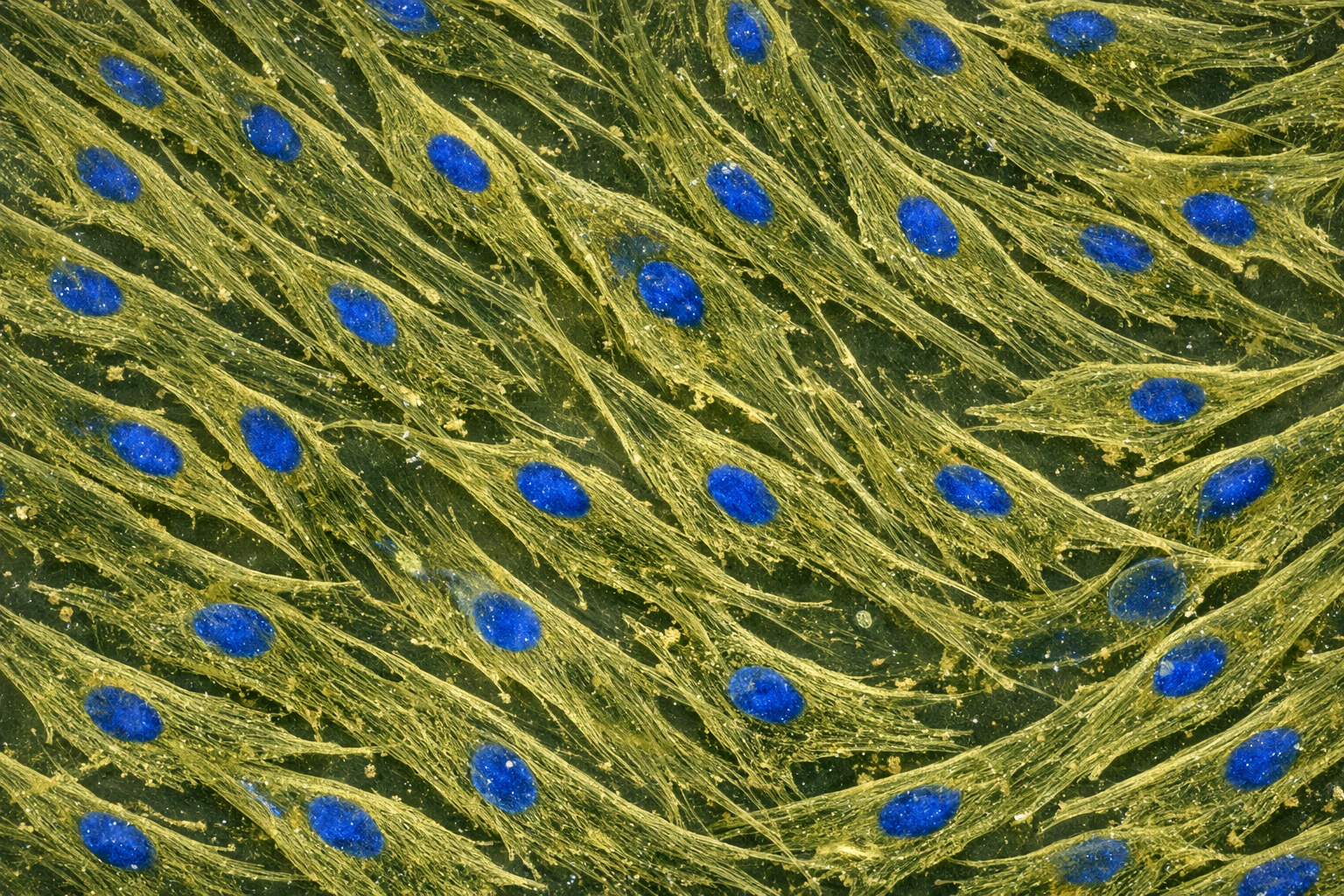
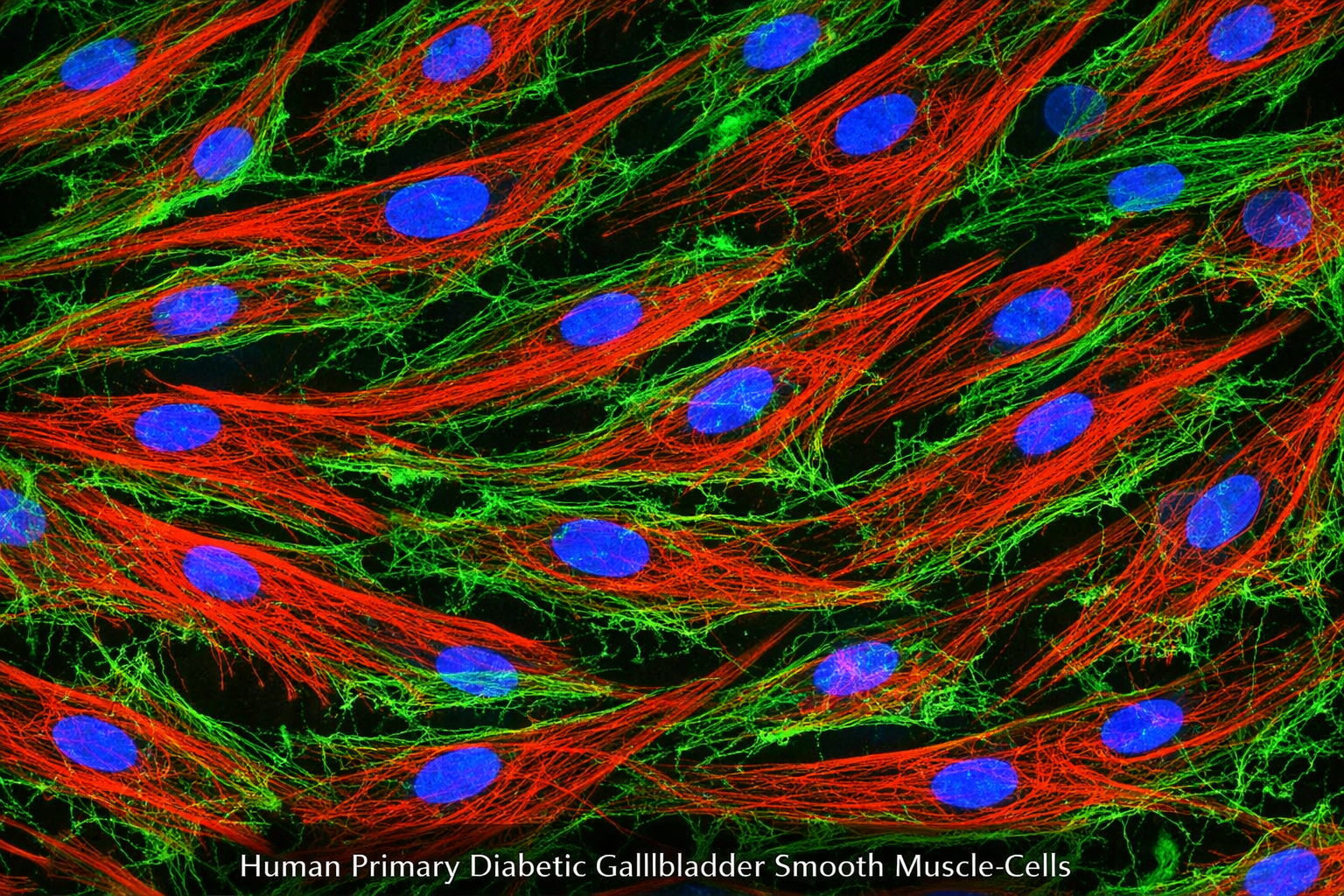
Human Primary Diabetic Aortic Smooth Muscle Cells are specialized cells derived from the aorta of individuals with diabetes. These cells play a crucial role in maintaining vascular health and homeostasis. However, in the context of diabetes, they may exhibit altered functionality, contributing to vascular complications associated with the condition. Guarantee expansion for a minimum of 2-5 population doublings. IMPORTANT: Quality warranty requires use of Bioverax media. Biohazardous material despite negative pathogen testing. Quality claims must be reported within 1 month.
Key Features & Benefits
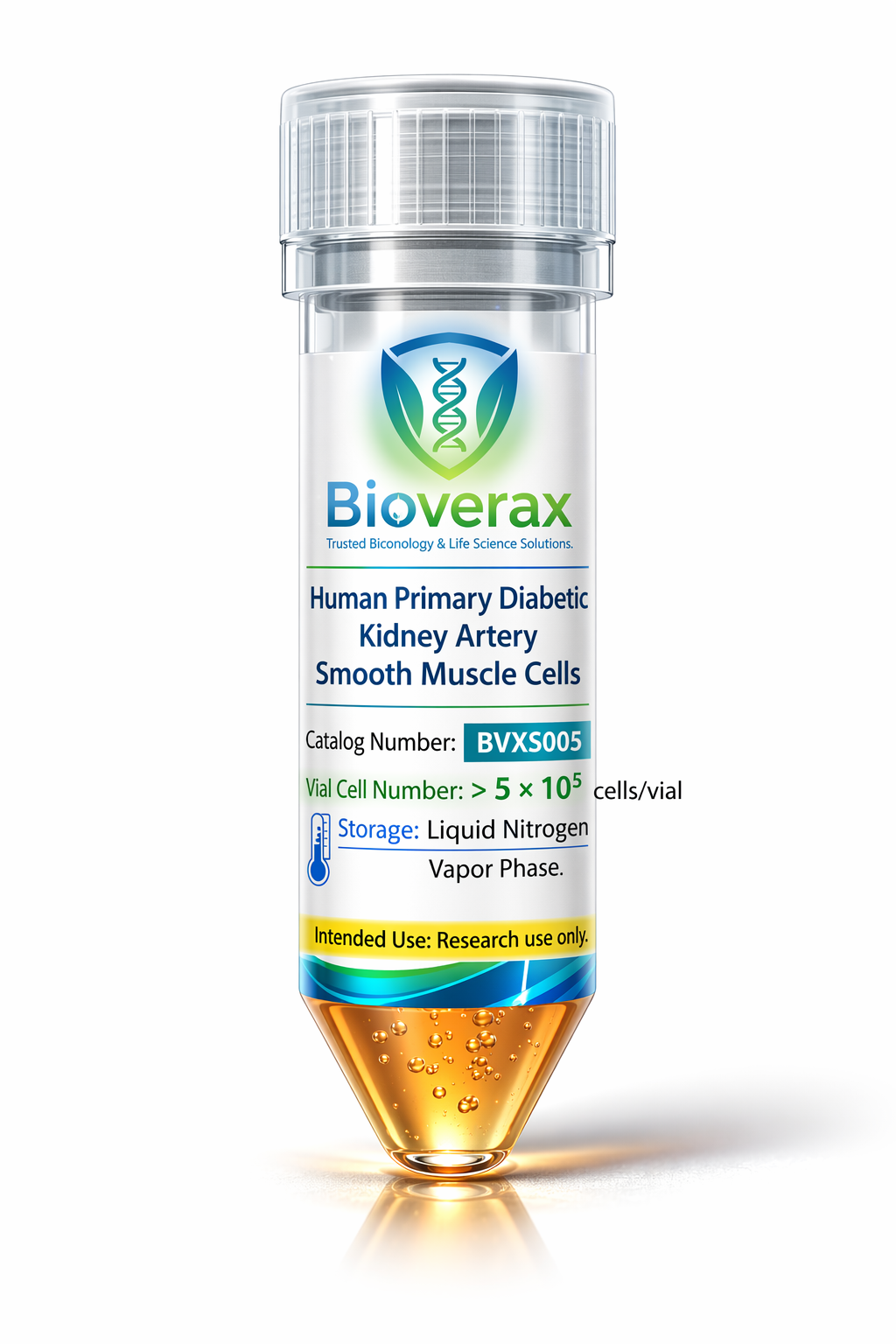
Catalog Number: BVXDS001 Product Format: Frozen Vial Cell Number: > 5x10[5] cells/vial Passage:1(P1) Storage: Liquid Nitrogen, Vapor Phase Intended Use: Research use only (RUO) Cell Characterization Dysfunctional Metabolism: They often show altered glucose uptake and utilization, increased oxidative stress, and mitochondrial dysfunction. Accelerated Senescence: Cells from diabetic donors tend to senesce (stop dividing) earlier in culture due to chronic high glucose exposure and oxidative damage. Phenotypic Switching: Vascular SMCs are not terminally differentiated; they can switch between a contractile (quiescent) and a synthetic (proliferative/migratory) phenotype. Diabetic SMCs are often locked into a more 'synthetic' or 'pro-inflammatory' state. Extracellular Matrix (ECM) Remodeling: They may produce abnormal amounts of ECM proteins (like collagen and fibronectin), contributing to vascular stiffness. Calcification Potential: These cells have a heightened propensity to undergo osteogenic differentiation, leading to vascular calcification—a major complication in diabetic patients.
Quick Facts
Product Type
Human Type II Diabetes Endothelial Cells
Viability
>95% viable (Trypan Blue exclusion)
Storage
Store in liquid nitrogen vapor phase (-196°C) for long-term. Ship on dry ice (-80°C).
Shelf Life
Very stable in the Liquid Nitrogen Vapor Phase
Applications
Technical Specifications
| Product Type | Human Type II Diabetes Endothelial Cells |
|---|---|
| Viability | >95% viable (Trypan Blue exclusion) |
| Proliferative Capability | Primary cells capable of multiple passages when using recommended medium and proper handling |
| Storage Conditions | Store in liquid nitrogen vapor phase (-196°C) for long-term. Ship on dry ice (-80°C). |
| Shelf Life | Very stable in the Liquid Nitrogen Vapor Phase |
| Product Code | BVXDS001 |
| Size/Format | 1ml |
| Category | Primary Cells |
Primary Applications
Applications & Use Cases
Primary Applications
Atherosclerosis Studies: Investigating how high glucose accelerates plaque formation and instability. Vascular Calcification: Studying the mechanisms by which diabetes promotes the hardening of arteries. Drug Screening: Testing novel anti-diabetic drugs or cardiovascular compounds to see how they affect diseased vs. healthy vasculature. Mechanistic Pathways: Exploring specific pathways like PKC activation
Suitable for atherosclerosis studies: investigating how high glucose accelerates plaque formation and instability. vascular calcification: studying the mechanisms by which diabetes promotes the hardening of arteries. drug screening: testing novel anti-diabetic drugs or cardiovascular compounds to see how they affect diseased vs. healthy vasculature. mechanistic pathways: exploring specific pathways like pkc activation studies and research applications
advanced glycation end-products (AGEs) and their receptor (RAGE)
Suitable for advanced glycation end-products (ages) and their receptor (rage) studies and research applications
inflammation
Suitable for inflammation studies and research applications
and insulin resistance in vascular tissue.
Suitable for and insulin resistance in vascular tissue. studies and research applications
Research Use Cases
In Vitro Studies
Cell culture and screening applications
Molecular Biology
Gene expression & signaling studies
Drug Discovery
Screening & validation studies
Technical Support & Documentation
Technical Support
Our experts are available for technical questions and protocol assistance.
Contact Support